The Palestinian people have experienced significant struggles and hardships over the past several decades. Since the establishment of the State of Israel in 1948, Palestinians have faced displacement, occupation, and political and economic marginalization.
One of the most significant struggles for Palestinians has been the loss of their homes and land. During the 1948 Arab-Israeli War, around 700,000 Palestinians fled or were expelled from their homes, becoming refugees. Many of these refugees and their descendants still live in refugee camps in neighboring countries, such as Lebanon, Syria, and Jordan. In addition, Israeli settlements continue to expand on Palestinian land in the West Bank, displacing Palestinians from their homes and farms.
Another major struggle for Palestinians has been the ongoing military occupation of the West Bank and Gaza Strip. Since the Six-Day War in 1967, Israel has maintained control over these territories, imposing restrictions on the movement of Palestinians, building settlements, and conducting military operations. These restrictions have severely limited the economic and social opportunities available to Palestinians.
“The Zionist argument to justify Israel’s present occupation of Arab Palestine has no intelligent or legal basis in history.”
— Malcolm X
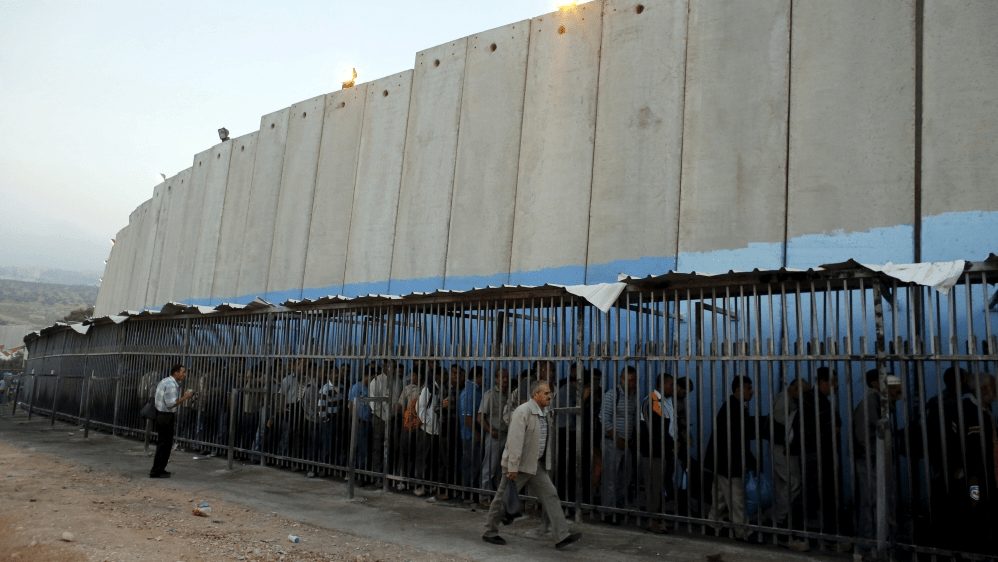
What is it like living in a occupation?
Living under occupation is incredibly challenging for Palestinians. The Israeli military and settlers have a significant presence in the West Bank and Gaza Strip, and Palestinians are subject to regular checkpoints, raids, and searches. These restrictions make it difficult for Palestinians to travel to work or school, access healthcare, and visit family and friends.
In addition, the Israeli government has implemented a system of permits that restricts Palestinians’ ability to build homes or businesses, access natural resources, or engage in political activity. This system has led to a severe lack of economic opportunities for Palestinians and has perpetuated poverty and unemployment.
Palestinians living in the West Bank and Gaza Strip also face ongoing violence and conflict. Israeli military operations, settler violence, and attacks by Palestinian armed groups have all contributed to a sense of insecurity and instability in the region. Many Palestinians have experienced trauma as a result of this violence, including the loss of loved ones, injuries, and displacement.
Overall, the ongoing occupation of the West Bank and Gaza Strip has had a profound impact on the daily lives of Palestinians. It has limited their freedom of movement and identity.
 Palestinian Rights Committee